Roundtable offers courses covering literature, arts, history, travel, science, and food—something for all the mothers in your life!
Dostoevsky’s The Brothers Karamazov asks some of the ultimate questions about the human condition. Join Northwestern University’s Gary Saul Morson to explore these questions and to discover why The Brothers Karamazov stands as a masterpiece of Russian literature, and one of the greatest novels ever written.
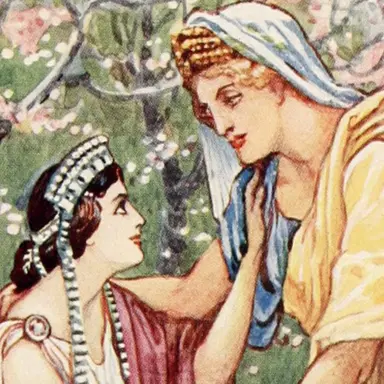
Greek mythology is filled with stories of great mothers, their love for their children so strong that they will risk everything to rescue, protect, or destroy them. Join Professor Edith Hall for a close look at three mythological mothers — Demeter, Medea, and Penelope — and discover how their stories reveal the psychosocial anxieties of the ancient Greeks.
Join performer and director Rebecca Lingafelter in discovering Anton Chekhov as you never knew him to be: visceral, passionate, and radical. Just in time for Heidi Schreck’s exciting new adaptation of Uncle Vanya at Lincoln Center, this course will explore all of Chekhov’s major works through contemporary productions and experimental approaches.
As the 2024 Paris Summer Olympic Games approach, join American History Professor Matthew Andrews for a deep dive into the history of the Olympic Games, and discover the powerful and complex relationship between the Olympic Movement and world politics.
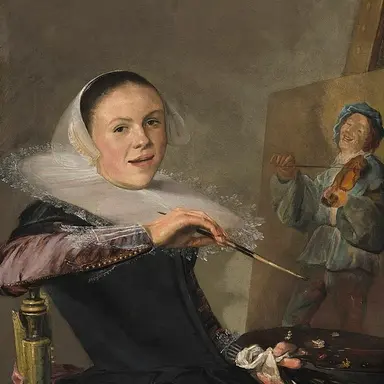
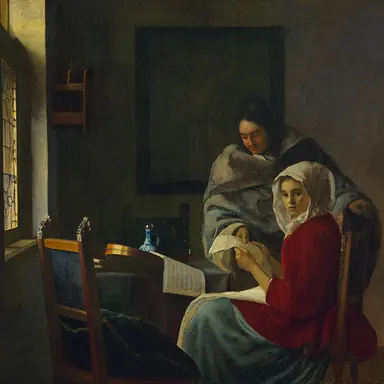
What do portraits tell us about the lives of the people they portray? Join art historian Angela Glover for an investigation into the world of seventeenth-century Dutch portraiture, a transformative time for both society and art.
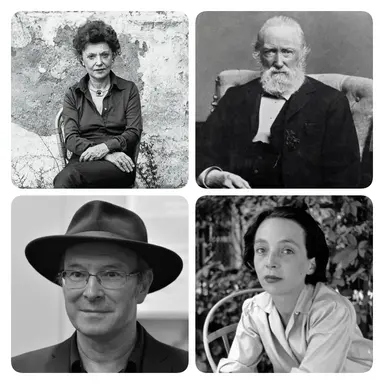
Join Stephanie Rabinowitz, beloved Roundtable literary expert, for a close look at four short, brilliant (but frequently overlooked) masterpieces from the last 150 years: Theodor Storm’s The Rider on the White Horse; Marguerite Duras’ The Ravishing of Lol Stein; Mike McCormack’s Solar Bones; and Muriel Spark’s The Abbess of Crewe.
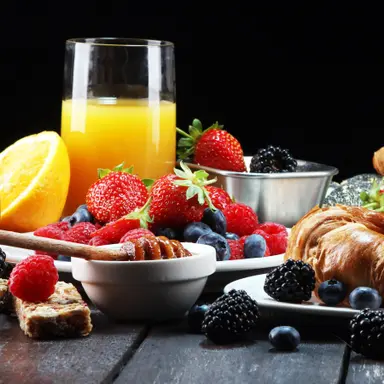
Join beloved Roundtable food historian Francine Segan for a fun one-hour course on the surprisingly complicated history of breakfast.
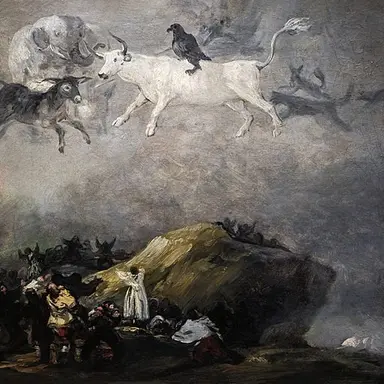
Young artists experiment because they have nothing to lose; older artists experiment because they have nothing to fear. Discover the final works of two famous painters, Henri Matisse and Francisco Goya, and their contrasting responses to similar circumstances, with acclaimed art historian Richard Lacayo.
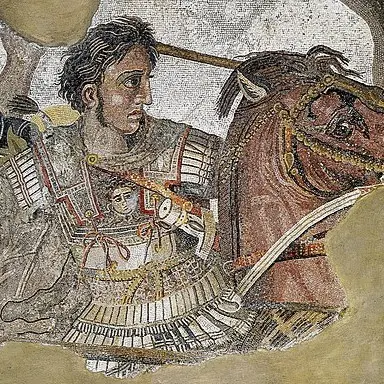
Alexander the Great’s final years were an exhilarating, harrowing journey that would define his legacy. Deepen your understanding of the complicated figure and his final years through stories of his military successes and personal relationships in this course led by classicist and historian Rachel Kousser.
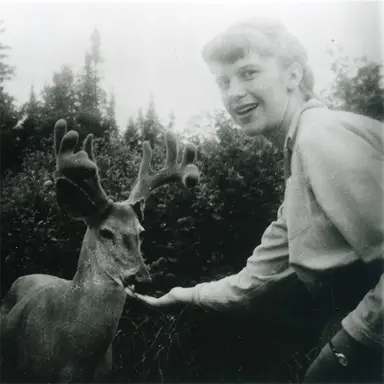
Join Emily Van Duyne to examine the persistent mythology surrounding the life and work of American poet Sylvia Plath. Moving between Plath's biography and her posthumous reception as a death-obsessed “priestess” of modern poetry, we will uncover the roots of Plath’s reputation and examine her poetry in light of new information about her marriage to Ted Hughes.
In this course, Louis Rosen explores the mold-breaking, fifty-five year career of James Taylor; together, we’ll celebrate his hits alongside some equally-masterful deep cuts.
Join the Frick Pittsburgh's Chief Curator, Dawn R. Brean, and Executive Director, Elizabeth Barker, Ph.D., for a dive deep into the iconic collections of the American Industrialist Henry Clay Frick and his daughter, Helen through an examination of the groundbreaking exhibition that brings the New York and Pittsburgh Frick collections together to be viewed in parallel for the first time.
Journalist Brandon Keim leads a tour of the animal kingdom in two parts: scientific research into the minds of other species, and how we come to think about them in the first place.
Join celebrated New Yorker staff writer Adam Gopnik as he explores the literature of Manhattan's Upper East Side, a home to and setting for generations of authors.
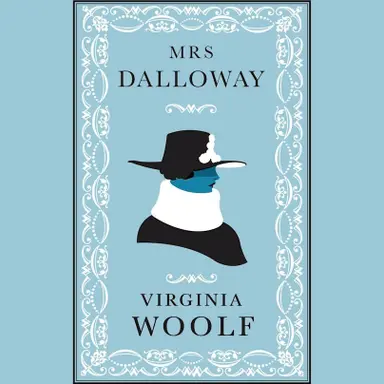
Swarthmore’s Philip Weinstein leads this deep dive into the narrative voice and verbal texture of Virginia Woolf's Mrs. Dalloway.
Louis Rosen takes a deep dive into the influential work of Laura Nyro, focusing on her second album, one cited by countless songwriters and musicians as one of the greatest albums ever recorded.
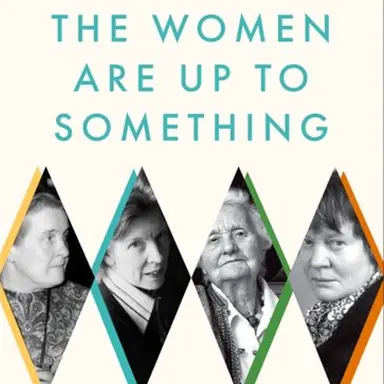
Four brilliant young women met at Oxford at the beginning of World War II and became both philosophers and life-long friends. Biographer and philosopher Benjamin Lipscomb explores how these women overturned the ethical theories of their male peers.
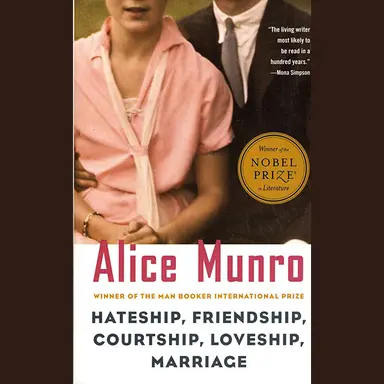
Study the masterful construction of Alice Munro’s tenth short story collection with Munro biographer Robert Thacker’s closely-guided readings in this three-part course. You’ll pay special attention to the title story as well as four others in Hateship, Friendship, Courtship, Loveship, Marriage — now seen as among her best works.